
CN EN
86-400-8228-027
Cn En
Phone
Phone:+86-400-8228-027
WeChat
Contact Us
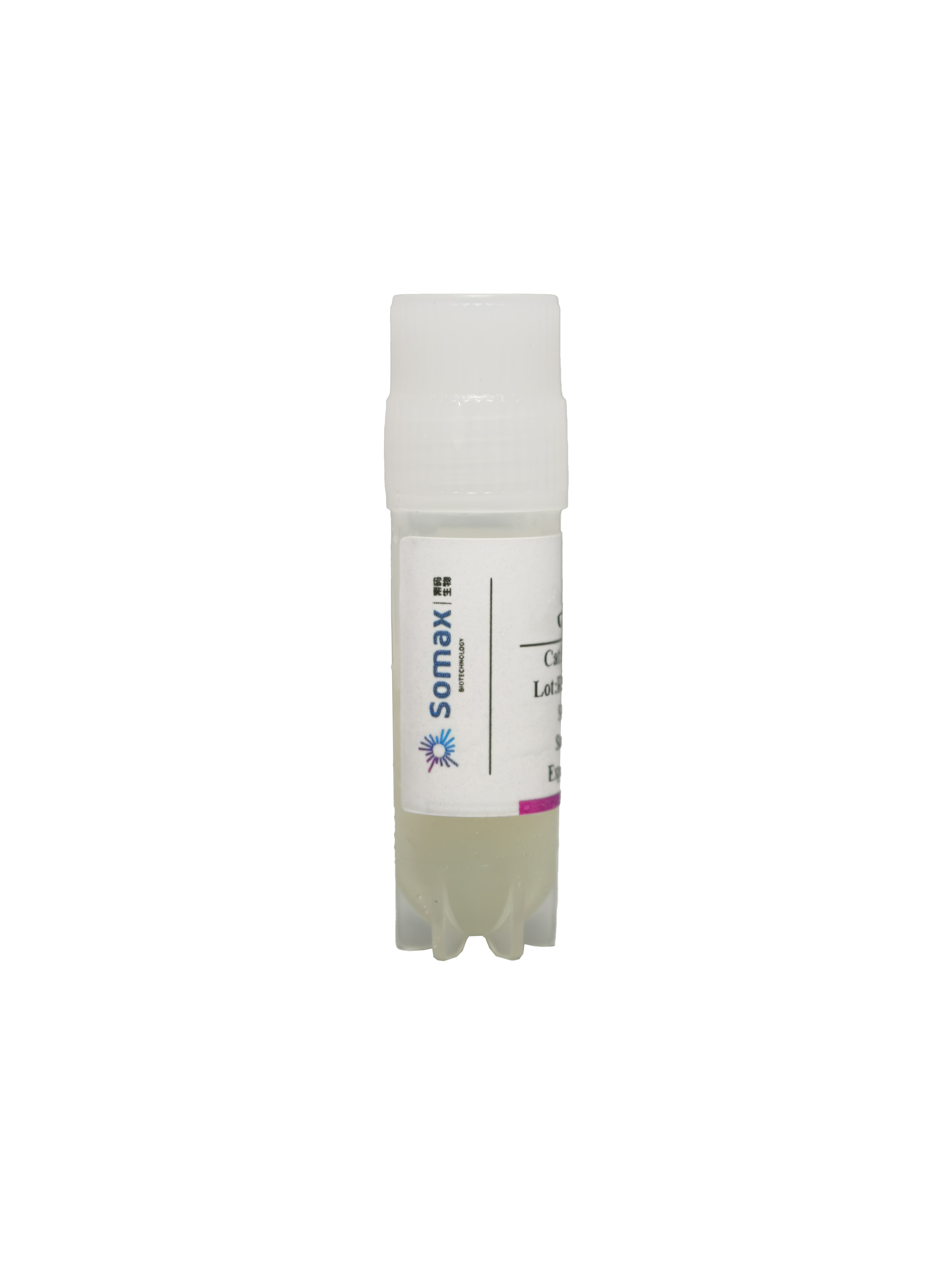
Healthy Donor-Derived iPSCs
Catalog No.:
See Product Information
Specification:
1×10⁶ cells/vial
Storage Conditions:
Liquid nitrogen
Product Introduction:
Healthy Donor-Derived iPSCs are generated from peripheral blood mononuclear cells (PBMCs) of healthy donors (defined as individuals without known genetic diseases, chronic diseases, or tumor history) via non-integrating reprogramming method. Cultured in feeder-free, chemically defined iPSC maintenance medium, the cells can proliferate stably and exhibit morphological characteristics, cell phenotypes, and gene expression patterns similar to human embryonic stem cells (hESCs). Strict quality control confirms that the cells have a normal chromosomal karyotype, no exogenous gene integration, pluripotent differentiation potential into three germ layers, and a high positive rate of pluripotency marker expression.
Product Advantages
Provides ethical approval number with traceability
Provides international stem cell registry number for direct citation in publications
Low passage number with latest characterization report
Diverse cell types available (more than 20 options)
Validated by differentiation into various cells and organoids
One-on-one technical guidance to assist customers in successful cell culture
Specialized in iPSCs for over a decade, offering one-stop iPSC solutions
Operation Procedures and Precautions

After receiving the cells, observe and record any signs of thawing during transportation and the integrity of the cryovials.

Transfer to liquid nitrogen immediately; temporary storage at -80℃ is allowed, but prolonged storage is strictly prohibited.

Recommended recovery culture system for cryovials: 2 wells of a 6-well plate.

Application Scope
This product is for research use only and not for clinical treatment or other purposes.
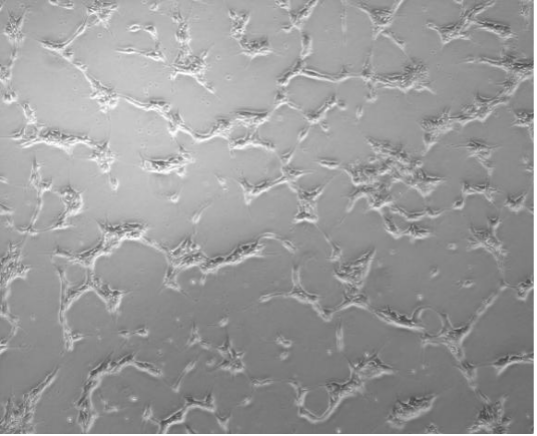
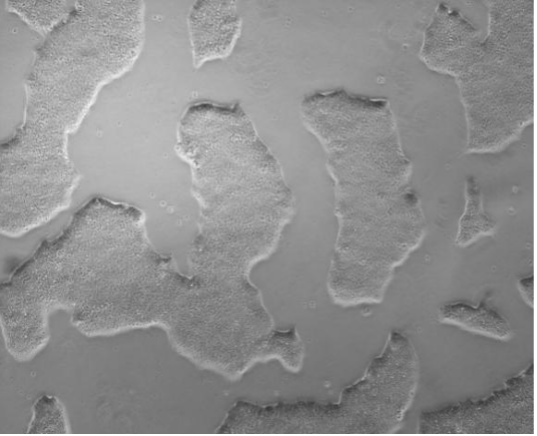
Cell Characteristics
24h post-recovery (4X)
72h post-recovery (4X)
Product Information
Cell Type Catalog No. Source Specification International Stem Cell Registry Number
Research-grade iPSC Line - Male JY01-012-1 29-year-old male 1×10⁶ cells/vial GEMi001-A
JY01-014-1 28-year-old male 1×10⁶ cells/vial GEMi002-A
JY01-160-1 25-year-old male 1×10⁶ cells/vial GEMi005-A
JY01-211-2 25-year-old male 1×10⁶ cells/vial GEMi016-A
JY01-212-1 26-year-old male 1×10⁶ cells/vial GEMi017-A
JY01-213-1 42-year-old male 1×10⁶ cells/vial GEMi018-A
JY01-215-1 32-year-old male 1×10⁶ cells/vial GEMi020-A
JY01-216-1 35-year-old male 1×10⁶ cells/vial GEMi021-A
JY01-217-1 34-year-old male 1×10⁶ cells/vial GEMi022-A
JY01-218-1 23-year-old male 1×10⁶ cells/vial GEMi023-A
Research-grade iPSC Line - Female JY01-135-1 24-year-old female 1×10⁶ cells/vial GEMi004-A
JY01-201-1 27-year-old female 1×10⁶ cells/vial GEMi006-A
JY01-202-1 25-year-old female 1×10⁶ cells/vial GEMi007-A
JY01-203-1 30-year-old female 1×10⁶ cells/vial GEMi008-A
JY01-206-1 25-year-old female 1×10⁶ cells/vial GEMi011-A
JY01-208-1 40-year-old female 1×10⁶ cells/vial GEMi013-A
JY01-209-1 50-year-old female 1×10⁶ cells/vial GEMi014-A
JY01-210-1 23-year-old female 1×10⁶ cells/vial GEMi015-A
JY01-046-3 28-year-old female 1×10⁶ cells/vial GEMi026-A